repaired · 2026 Q3
Electronic stability control (ESC)
NewRisk. A loss of electronic stability control increases the risk of a crash.
NHTSA has logged 0 owner complaints about the 2025 Chrysler Voyager. It is covered by 6 safety recalls, and for recall 25V-302 the manufacturer reports only 39% of affected cars repaired.
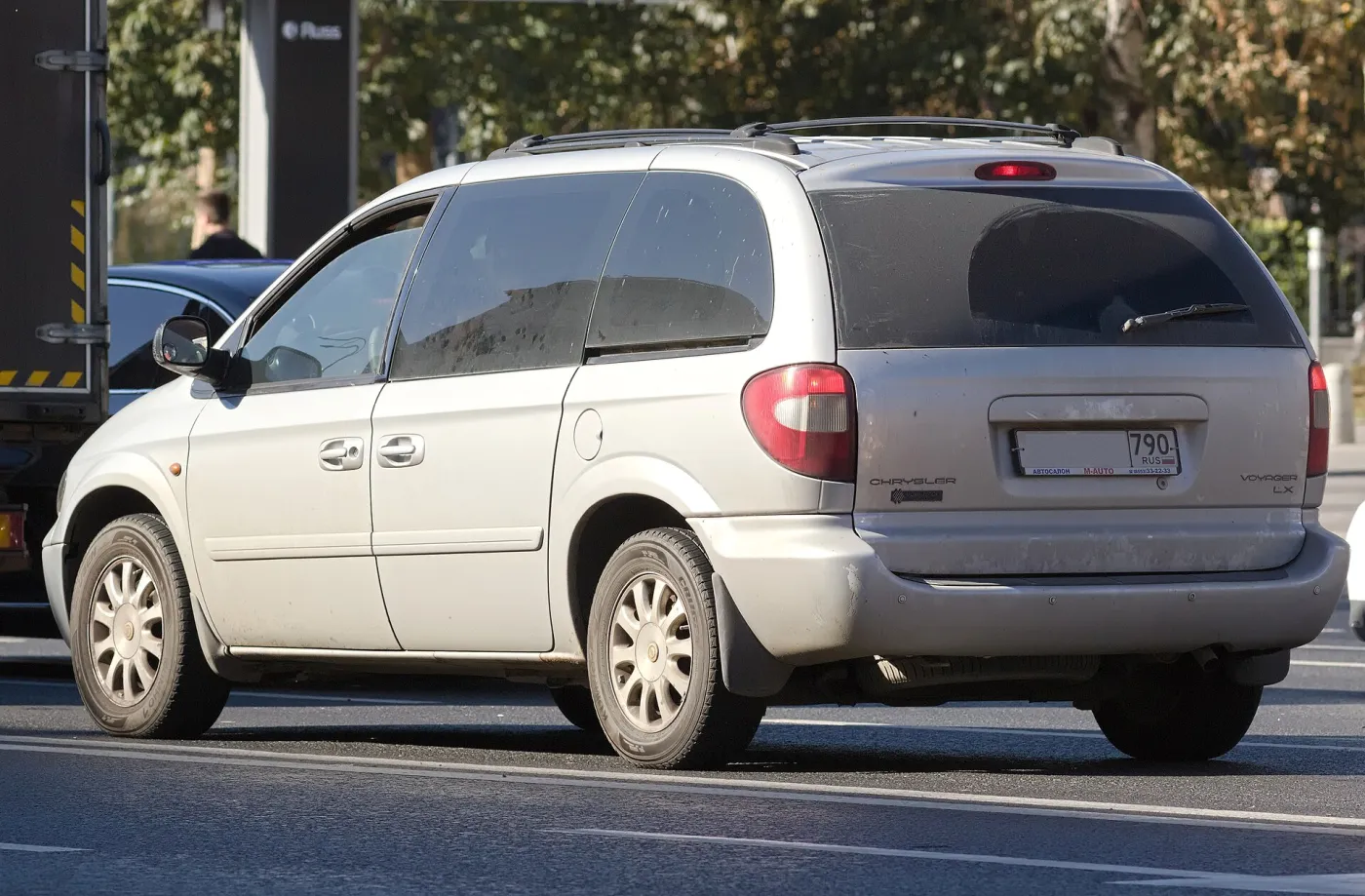
Source: NHTSA complaints, recalls, investigations and manufacturer recall reports, through September 1, 2026. Updated daily. Photo: Retired electrician, CC0.
0 complaints grouped by the system owners reported.
| System | Complaints | Crash, fire or injury |
|---|
Source: NHTSA Office of Defects Investigation. Complaints are submitted by the public and are not verified by NHTSA.
Each ring shows the share of affected cars repaired, from the manufacturer’s latest quarterly report to NHTSA. Recall repairs are free at authorized dealers.
Risk. A loss of electronic stability control increases the risk of a crash.
Risk. The unintended connection may prevent the air bags from deploying, increasing the risk of injury during a crash.
Risk. Air bags with insufficient pressure retention increase the risk of ejection and injury during a crash.
Risk. An unsecured wheelchair can move during transit, increasing the risk of injury.
Risk. An air bag with insufficient pressure retention increases the risk of ejection and injury during a crash.
Risk. An air bag with insufficient pressure retention increases the risk of ejection and injury during a crash.
Recalls apply to specific cars. To see whether a recall is still open on yours, enter the 17-character VIN at nhtsa.gov/recalls or with Chrysler.
Bars show complaints per model year. Colors show the CarFlaw verdict: complaints weighted for crashes, fires and injuries, adjusted for years on the road and compared with the Voyager median. How we score
2025 Chrysler Voyager PV FWD in NHTSA's New Car Assessment Program. Photos are from NHTSA's crash tests.
Decode your VIN to see the recalls for your exact car, then confirm open recalls with NHTSA.