repaired · 2025 Q3
Immobilizer/proximity: key/sender
Risk. Driver contact with a key in the collapsed position could inadvertently shut off the vehicle while driving, increasing the risk of a crash.
NHTSA has logged 544 owner complaints about the 2016 Nissan Rogue, most often about the power train. It is covered by 7 safety recalls, and for recall 23V-093 the manufacturer reports only 31% of affected cars repaired.
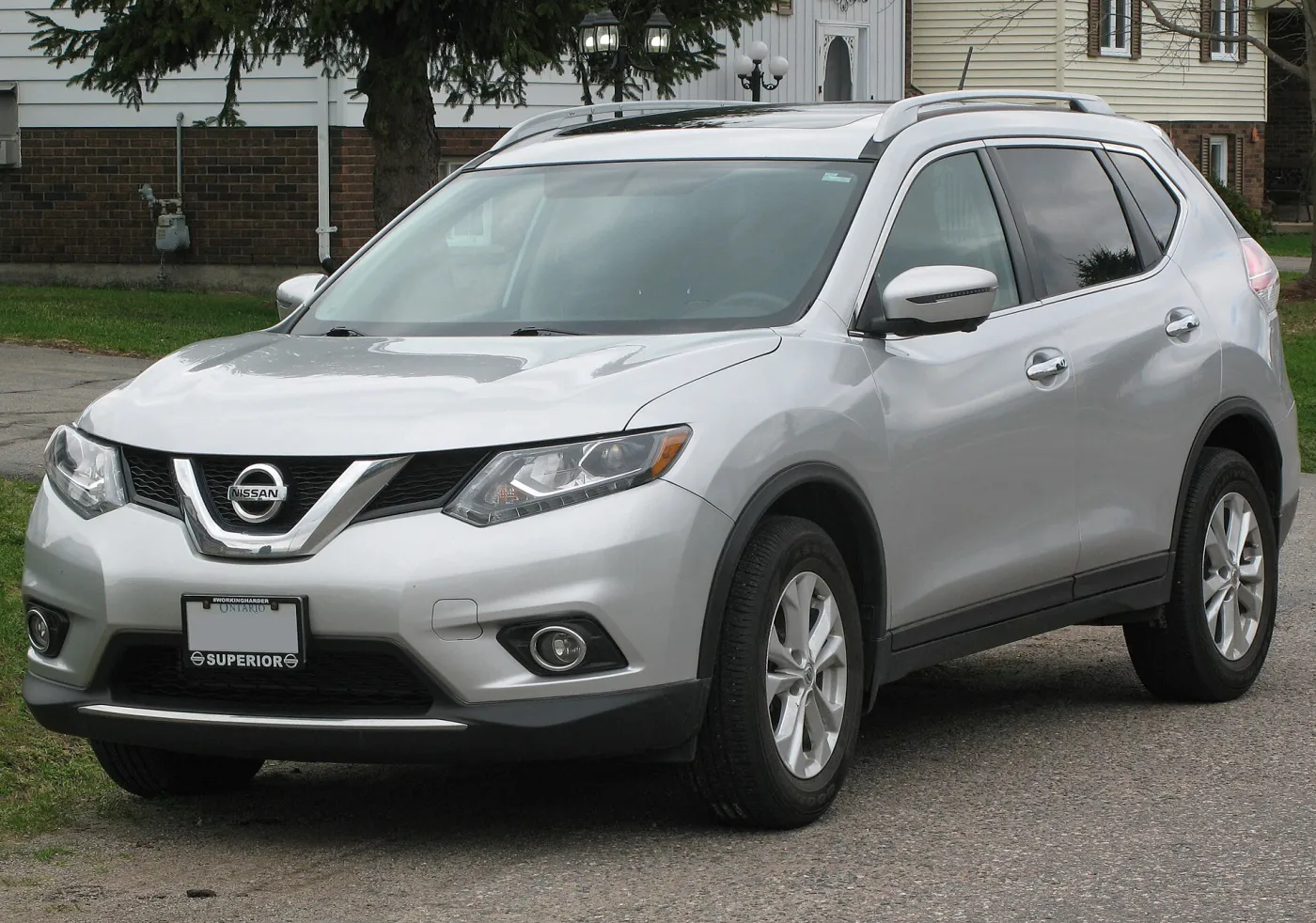
Source: NHTSA complaints, recalls, investigations and manufacturer recall reports, through October 30, 2026. Updated daily. Photo: Elise240SX, CC BY-SA 4.0.
544 complaints grouped by the system owners reported.
| System | Complaints | Crash, fire or injury |
|---|---|---|
| Power train | 176 | 2 |
| Electrical system | 125 | 2 |
| Engine | 65 | 4 |
| Air bags | 62 | 20 |
| Structure | 32 | 4 |
| Vehicle speed control | 25 | 4 |
| Steering | 23 | 3 |
| Suspension | 22 | 1 |
| Seats | 18 | 2 |
| 19 other systems | 120 | 10 |
Source: NHTSA Office of Defects Investigation. Complaints are submitted by the public and are not verified by NHTSA.
Each ring shows the share of affected cars repaired, from the manufacturer’s latest quarterly report to NHTSA. Recall repairs are free at authorized dealers.
Risk. Driver contact with a key in the collapsed position could inadvertently shut off the vehicle while driving, increasing the risk of a crash.
Risk. Corrosion in the electrical connector can result in power window/seat failure, all-wheel-drive warning light illumination, battery drainage, and electrical…
Risk. In the event of a crash, the improperly welded seat back frames may increase the risk of injury.
Risk. The insufficient welds can increase the risk of injury to the occupants in the event of a crash.
Risk. If the front passenger seat occupant is misclassified, the air bag may deploy incorrectly in the event of a crash, increasing the risk of injury.
Risk. If the passenger frontal air bag does not deploy as intended in the event of a crash, the passenger is at an increased risk of injury.
Risk. Corrosion of one or both of the rear lift gate support stays could cause a sudden release of pressure.
Recalls apply to specific cars. To see whether a recall is still open on yours, enter the 17-character VIN at nhtsa.gov/recalls or with Nissan.
75kmiles, median
Based on the odometer reading in 86 power train complaints. 78% were reported before 100,000 miles.
Dollar amounts owners wrote in their complaints when describing a repair or a quote. These are not price estimates; a system is shown only when at least 8 owners mentioned a cost.
$5,523median
If a problem is covered by a recall, the dealer fixes it for free. Some manufacturers also reimburse owners who paid for a repair before a recall was announced.
Bars show complaints per model year. Colors show the CarFlaw verdict: complaints weighted for crashes, fires and injuries, adjusted for years on the road and compared with the Rogue median. How we score
2016 Nissan Rogue SUV FWD in NHTSA's New Car Assessment Program. Photos are from NHTSA's crash tests.
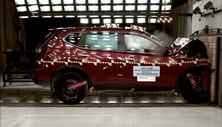
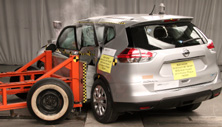
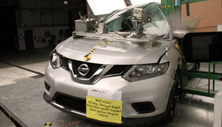
Recent power train complaints filed with NHTSA, shortened. Personal details are removed.
While driving the car, it seemed to slip into neutral. We took it to the dealer who does all our maintenance on the car and was told we needed to replace the transmission. The cost would be $6046.45 plus tax. The car is 10 years old, but only has 58,714 miles on it. We contacted Nissan Consumer…
Formal complaint against Nissan North America regarding premature CVT transmission failure on a 2016 Nissan Rogue (VIN: [XXX], Case #XXX, XXX with under 54,000 original miles. During a routine check-up, an independent mechanic scanned the vehicle and found hard codes P17F0 and P17S0, indicating…
Vehicle experienced hesitation and intermittent delayed acceleration beginning around 2018, with symptoms progressively worsening over time. In the past week, the check engine light illuminated and the vehicle began experiencing significant acceleration delay from stops, including engine revving…
Decode your VIN to see the recalls for your exact car, then confirm open recalls with NHTSA.