no report yet
Equipment adaptive/mobility
Risk. THE USER OF THE LIFT COULD BE INJURED SHOULD THE LIFT MOVE UNINTENTIONALLY.
NHTSA has logged 12 owner complaints about the 2006 Chevrolet Express, most often about the electrical system. It is covered by 16 safety recalls.
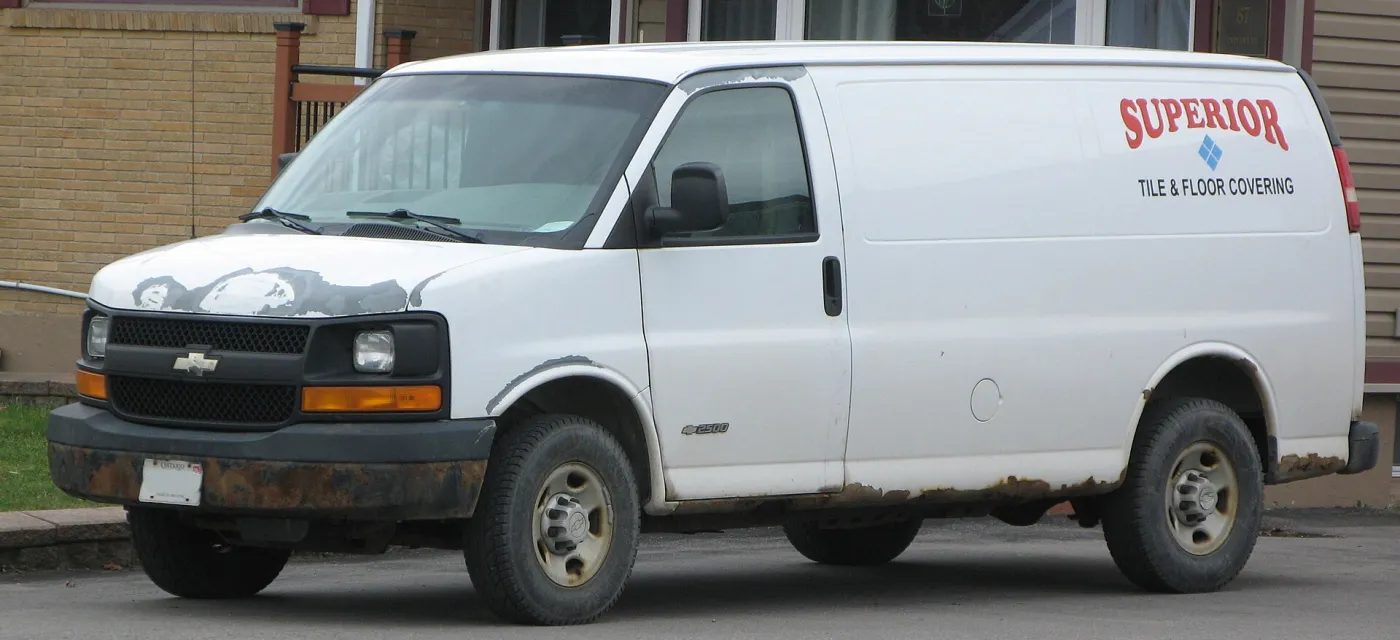
Source: NHTSA complaints, recalls, investigations and manufacturer recall reports, through July 2, 2026. Updated daily. Photo: SsmIntrigue, CC BY-SA 4.0.
12 complaints grouped by the system owners reported.
| System | Complaints | Crash, fire or injury |
|---|---|---|
| Electrical system | 2 | 0 |
| Power train | 2 | 0 |
| Air bags | 2 | 1 |
| Engine and engine cooling | 1 | 0 |
| Seat belts | 1 | 0 |
| Seats | 1 | 0 |
| Service brakes, hydraulic | 1 | 0 |
| Steering | 1 | 1 |
| Structure | 1 | 0 |
| 3 other systems | 3 | 0 |
Source: NHTSA Office of Defects Investigation. Complaints are submitted by the public and are not verified by NHTSA.
Each ring shows the share of affected cars repaired, from the manufacturer’s latest quarterly report to NHTSA. Recall repairs are free at authorized dealers.
Risk. THE USER OF THE LIFT COULD BE INJURED SHOULD THE LIFT MOVE UNINTENTIONALLY.
Risk. THE USER OF THE LIFT COULD BE INJURED SHOULD THE LIFT MOVE UNINTENTIONALLY.
Risk. A LIFT OCCUPANT CAN BE INJURED SHOULD THE LIFT BEGIN TO STOW UNINTENTIONALLY.
Risk. THE USER OF THE LIFT COULD BE INJURED SHOULD THE LIFT MOVE UNINTENTIONALLY.
Risk. THE USER OF THE LIFT COULD BE INJURED SHOULD THE LIFT MOVE UNINTENTIONALLY.
Risk. THE USER OF THE LIFT COULD BE INJURED SHOULD THE LIFT MOVE UNINTENTIONALLY.
Risk. A LIFT OCCUPANT CAN BE INJURED SHOULD THE LIFT BEGIN TO STOW UNINTENTIONALLY.
Risk. THE USER OF THE LIFT COULD BE INJURED SHOULD THE LIFT MOVE UNINTENTIONALLY.
Risk. A LIFT OCCUPANT CAN BE INJURED SHOULD THE LIFT BEGIN TO STOW UNINTENTIONALLY.
Risk. THE USER OF THE LIFT COULD BE INJURED SHOULD THE LIFT MOVE UNINTENTIONALLY.
Risk. A LIFT OCCUPANT CAN BE INJURED SHOULD THE LIFT BEGIN TO STOW UNINTENTIONALLY.
Risk. THE USER OF THE LIFT COULD BE INJURED SHOULD THE LIFT MOVE UNINTENTIONALLY.
Risk. IN THE EVENT OF A CRASH, A SEAT OCCUPANT MAY NOT BE PROPERLY RESTRAINED INCREASING THE RISK OF PERSONAL INJURY.
Risk. IN THE EVENT OF A CRASH, A SEAT OCCUPANT MAY NOT BE PROPERLY RESTRAINED INCREASING THE RISK OF PERSONAL INJURY.
Risk. A MISPRINTED LABEL COULD LEAD TO IMPROPER VEHICLE LOADING SPECIFICATIONS OR TIRE INFLATION WHICH COULD RESULT IN A TIRE FAILURE, INCREASING THE RISK OF A CRASH.
Risk. IF THIS WERE TO OCCUR, POWER STEERING ASSIST WOULD BE LOST AND INCREASED STEERING EFFORT WOULD BE REQUIRED.
Recalls apply to specific cars. To see whether a recall is still open on yours, enter the 17-character VIN at nhtsa.gov/recalls or with Chevrolet.
Bars show complaints per model year. Colors show the CarFlaw verdict: complaints weighted for crashes, fires and injuries, adjusted for years on the road and compared with the Express median. How we score
2006 Chevrolet Express 1500 Van in NHTSA's New Car Assessment Program. Photos are from NHTSA's crash tests.

Recent electrical system complaints filed with NHTSA, shortened. Personal details are removed.
Odometer Fraud. The contact owns a 2006 Chevrolet Express. It was discovered that there was a mileage discrepancy. The vehicle was a private sale. At the time of purchase, the vehicle mileage was 178,000, and at the time of registration, it was discovered that the mileage was 394,745.
TL* THE CONTACT OWNS A 2006 CHEVROLET EXPRESS. WHILE DRIVING 50 MPH, THE VEHICLE JERKED AND STALLED. THE VEHICLE WOULD NOT RESTART AND WAS TOWED TO THE DEALER. THE TECHNICIAN STATED THAT THE IGNITION NEEDED TO BE REPAIRED. THE IGNITION WAS ORIGINALLY REPAIRED AT 54,322 MILES. THE VEHICLE WAS…
Decode your VIN to see the recalls for your exact car, then confirm open recalls with NHTSA.