repaired · 2020 Q4
Passenger side: inflator module
Risk. An inflator explosion may result in sharp metal fragments striking the driver or other occupants resulting in serious injury or death.
NHTSA has logged 524 owner complaints about the 2007 Honda Accord, most often about the air bags. It is covered by 9 safety recalls, and for recall 19V-499 the manufacturer reports only 22% of affected cars repaired.
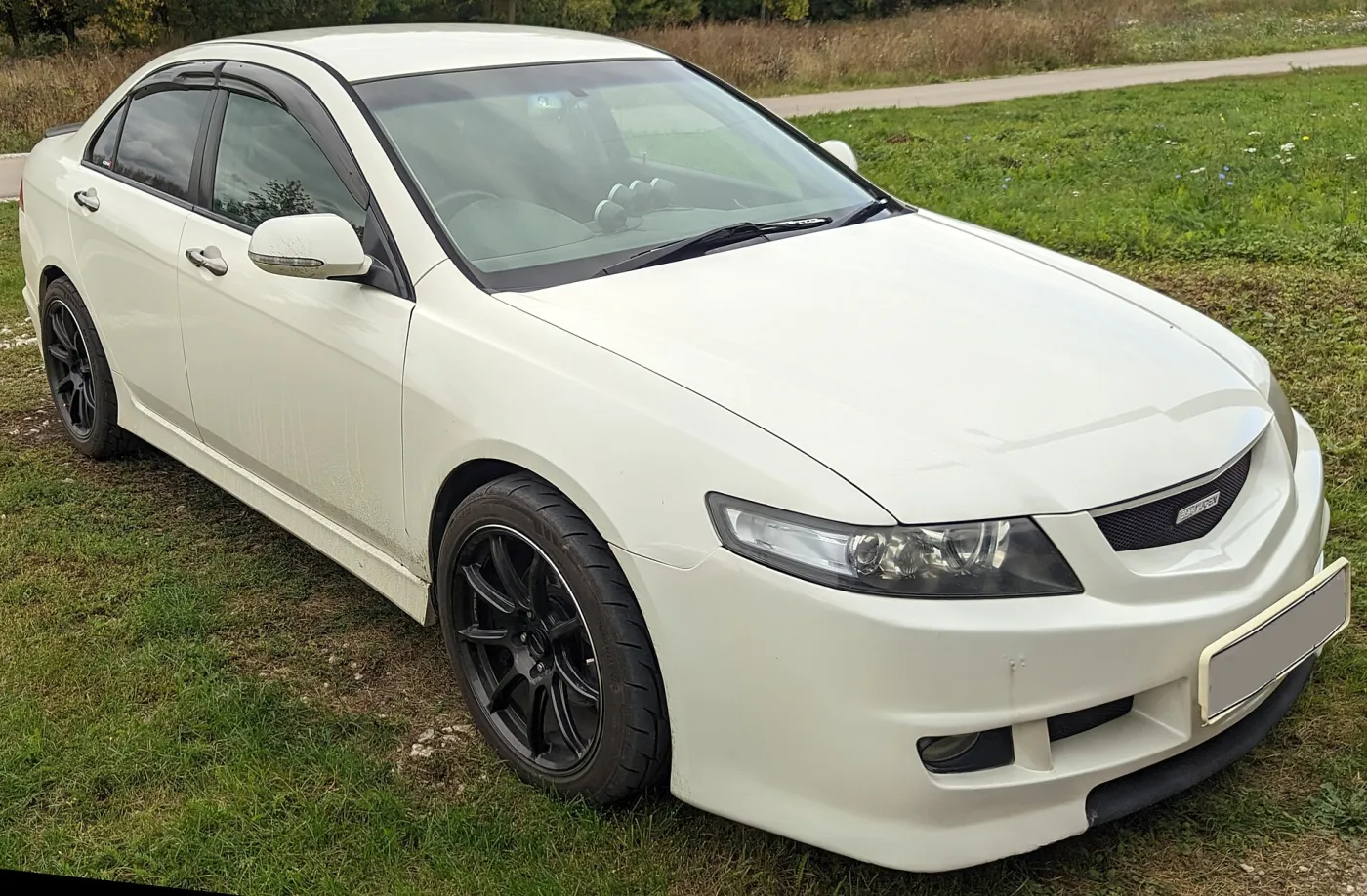
Source: NHTSA complaints, recalls, investigations and manufacturer recall reports, through January 2, 2026. Updated daily. Photo: Throwawayacc222, CC0.
524 complaints grouped by the system owners reported.
| System | Complaints | Crash, fire or injury |
|---|---|---|
| Air bags | 160 | 57 |
| Electrical system | 60 | 7 |
| Power train | 58 | 5 |
| Steering | 44 | 7 |
| Vehicle speed control | 41 | 23 |
| Service brakes, hydraulic | 32 | 4 |
| Structure | 30 | 7 |
| Engine | 29 | 5 |
| Engine and engine cooling | 26 | 4 |
| 20 other systems | 169 | 38 |
Source: NHTSA Office of Defects Investigation. Complaints are submitted by the public and are not verified by NHTSA.
Each ring shows the share of affected cars repaired, from the manufacturer’s latest quarterly report to NHTSA. Recall repairs are free at authorized dealers.
Risk. An inflator explosion may result in sharp metal fragments striking the driver or other occupants resulting in serious injury or death.
Risk. An inflator explosion may result in sharp metal fragments striking the driver or other occupants resulting in serious injury or death.
Risk. An explosion of an inflator within the driver frontal air bag module may result in sharp metal fragments striking the driver, front seat passenger or other…
Risk. An incorrectly installed air bag may deploy improperly in the event of a crash, increasing the risk of injury.
Risk. An air bag module does not meet the advanced air bag requirements can increase the risk of injury or death in the event of a crash.
Risk. In the event of a crash necessitating deployment of the passenger's frontal air bag, the inflator could rupture with metal fragments striking the passenger…
Risk. In the event of a crash necessitating deployment of the driver's frontal air bag, the inflator could rupture with metal fragments striking the driver or other…
Risk. If this occurs, power steering fluid can leak onto a hot catalytic converter, leading to smoke and possibly an under-hood fire.
Risk. THIS COULD RESULT IN A SHORT CIRCUIT CAUSING THE ENGINE TO STALL.
Recalls apply to specific cars. To see whether a recall is still open on yours, enter the 17-character VIN at nhtsa.gov/recalls or with Honda.
77kmiles, median
Based on the odometer reading in 93 air bags complaints. 65% were reported before 100,000 miles.
Bars show complaints per model year. Colors show the CarFlaw verdict: complaints weighted for crashes, fires and injuries, adjusted for years on the road and compared with the Accord median. How we score
2007 Honda Accord 2-DR. w/SAB in NHTSA's New Car Assessment Program. Photos are from NHTSA's crash tests.


Federal investigations that included the 2007 Honda Accord, and the recalls they led to.
Recent air bags complaints filed with NHTSA, shortened. Personal details are removed.
I got a notice on a recall again for the air bags for my Honda accord 2007 7GQU329. I have another issue with it my catalytic converter got stolen again and the 1st time the insurance covered it and it got stolen last week again and the insurance is telling me that it’s fraud and they will only…
After calling my local Honda dealership I was denied services. Due to my vehicles airbag already being deployed in an accident. Honda manger stated no work will be done since my vehicles already has deployed airbags. Would have been the case since I bought the car off a salvage auction, with the…
The contact owns a 2007 Honda Accord. The contact received notification of NHTSA Campaign Number: 19V182000 (Air Bags) however, the part to do the recall repair was not yet available. The contact stated that the manufacturer had exceeded a reasonable amount of time for the recall repair. The…
Decode your VIN to see the recalls for your exact car, then confirm open recalls with NHTSA.