repaired · 2026 Q3
Curtain: inflator
Risk. An inflator rupture may result in sharp metal fragments striking occupants, resulting in injury.
NHTSA has logged 261 owner complaints about the 2016 Ram 2500, most often about the power train. It is covered by 12 safety recalls, and for recall 17V-499 the manufacturer reports only 11% of affected cars repaired.
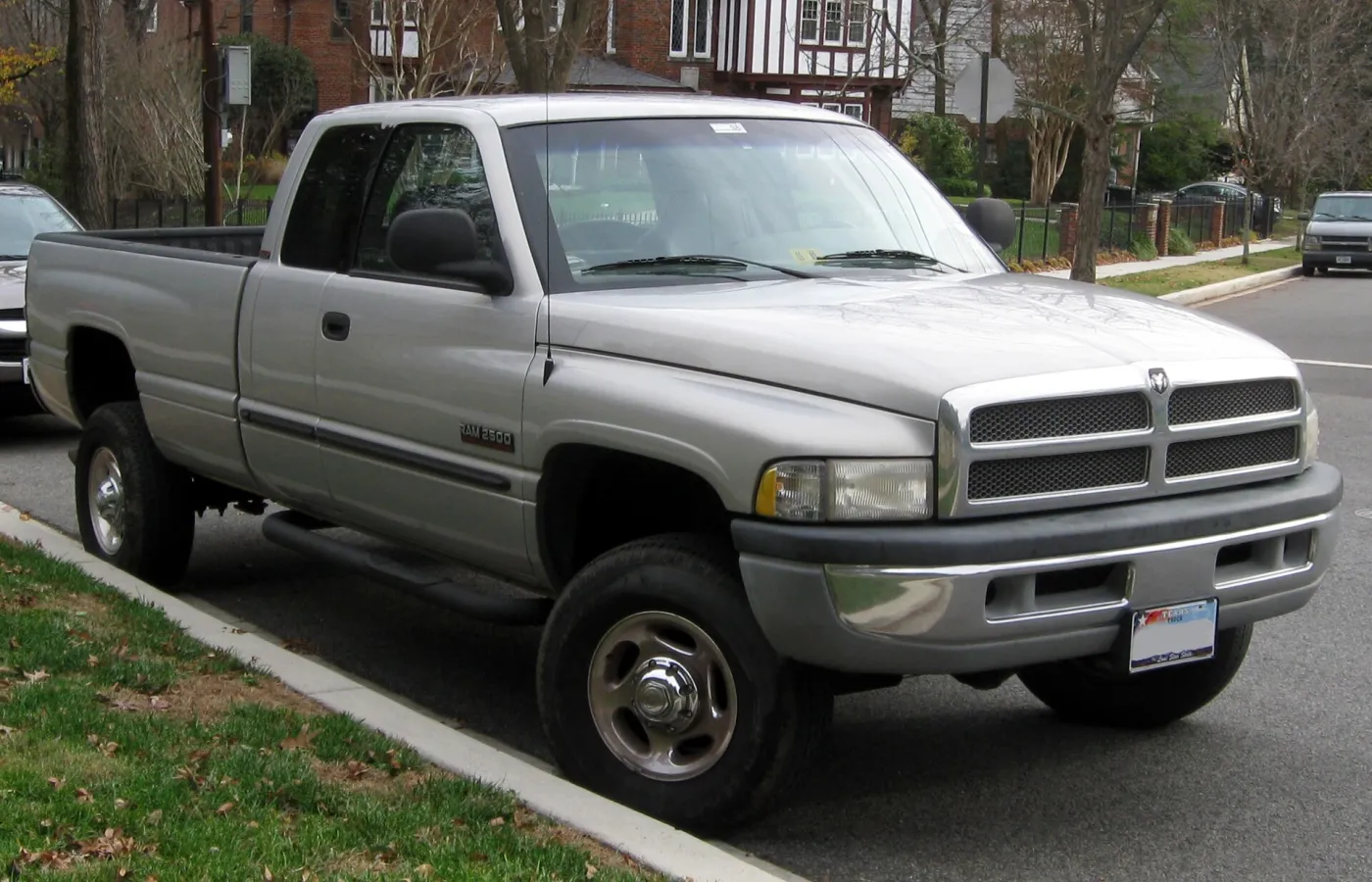
Source: NHTSA complaints, recalls, investigations and manufacturer recall reports, through November 7, 2026. Updated daily. Photo: IFCAR, Public domain.
261 complaints grouped by the system owners reported.
| System | Complaints | Crash, fire or injury |
|---|---|---|
| Power train | 64 | 8 |
| Engine | 54 | 1 |
| Steering | 43 | 0 |
| Electrical system | 38 | 2 |
| Service brakes | 34 | 1 |
| Vehicle speed control | 17 | 1 |
| Structure | 13 | 1 |
| Air bags | 12 | 6 |
| Fuel/propulsion system | 12 | 0 |
| 15 other systems | 55 | 2 |
Source: NHTSA Office of Defects Investigation. Complaints are submitted by the public and are not verified by NHTSA.
Each ring shows the share of affected cars repaired, from the manufacturer’s latest quarterly report to NHTSA. Recall repairs are free at authorized dealers.
Risk. An inflator rupture may result in sharp metal fragments striking occupants, resulting in injury.
Risk. A separated inflator end cap or inflator rupture can allow compressed gas to escape, resulting in the end cap or other components being propelled into the…
Risk. If the tailgate opens while the vehicle is being driven, cargo may fall out the vehicle and create a road hazard, increasing the risk of crash.
Risk. A drag link separation can cause a loss of steering control, increasing the risk of crash.
Risk. If the tailgate latch releases and the tailgate opens while driving, cargo may fall out, creating a road hazard and increasing the risk of a crash.
Risk. If the vehicle maintains its speed or accelerates despite attempts to deactivate the cruise control, there would be an increased risk of a crash.
Risk. If the fire extinguisher does not function properly, it can increase the risk of injury in the event of a fire.
Risk. Being able to shift the transmission without pushing the brake pedal and/or without a key in the ignition can increase the risk of an unintended vehicle…
Risk. The leaking water pump can increase the risk of an engine compartment fire.
Risk. If the wheel fractures, a loss of vehicle control can occur, increasing the risk of a crash.
Risk. If the rollover side curtain air bags and seat belt pretensioners are disabled, there is an increased risk of injury to the vehicle occupants in the event of a…
Risk. An engine that stalls without warning increases the risk of a crash.
Recalls apply to specific cars. To see whether a recall is still open on yours, enter the 17-character VIN at nhtsa.gov/recalls or with Ram.
26kmiles, median
Based on the odometer reading in 40 power train complaints. 93% were reported before 100,000 miles.
Bars show complaints per model year. Colors show the CarFlaw verdict: complaints weighted for crashes, fires and injuries, adjusted for years on the road and compared with the 2500 median. How we score
2016 Ram 2500 Mega PU/EC 2WD in NHTSA's New Car Assessment Program. Photos are from NHTSA's crash tests.
Federal investigations that included the 2016 Ram 2500, and the recalls they led to.
Recent power train complaints filed with NHTSA, shortened. Personal details are removed.
I am reporting a transmission safety problem with my 2016 Ram 2500 Cummins that began shortly after FCA campaign U29 was performed. Before the recall work, the transmission and original solenoid were functioning normally. I had no transmission symptoms, warning lights, or transmission codes. The…
On August 25, 2026, my 2016 Ram 2500 was parked on private property. The driver states that she placed the automatic transmission in PARK before exiting the vehicle. After she exited, the unoccupied vehicle unexpectedly began rolling and struck a tree, causing vehicle damage. No one was injured.…
Grid heater nut/bolt detached and entered engine, causing catastrophic internal failure and total engine loss while driving.
Decode your VIN to see the recalls for your exact car, then confirm open recalls with NHTSA.